







Search Results for: winning probability
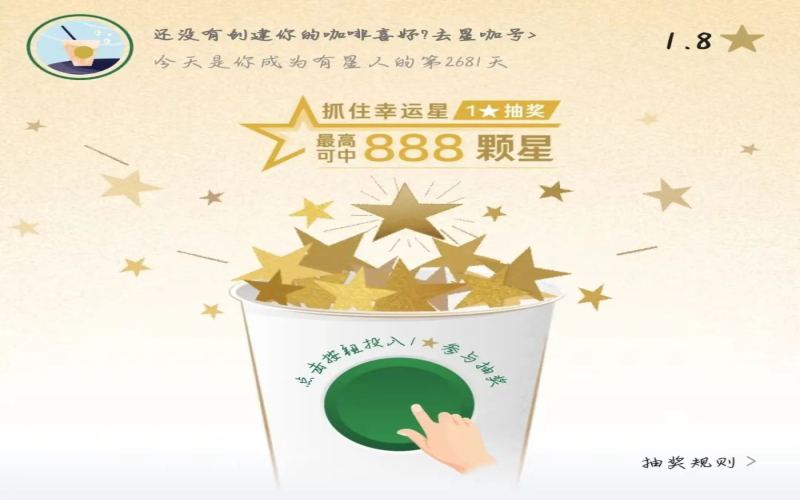
After upgrading its membership program, Starbucks launched a star lottery, and users who invested their inventory ended up with time-limited stars, sparking debate.
The Starbucks app recently completed an upgrade, officially adding the Diamond tier to its membership system, and simultaneously launched a limited-time lottery event where members can participate using stars. The top prize of 888 stars looks tempting—converted at 9 stars for a grande beverage, that's equivalent to 98 free coffees. However, many users only discovered after spending their hard-earned stars that most results merely returned a small number of stars valid for just two weeks, or even came up empty-handed. The odds of winning, the expiration period of rewards, and issues like accidentally tapping and having stars automatically deducted have led some people to jokingly call this event a "star recycling program." [more…]
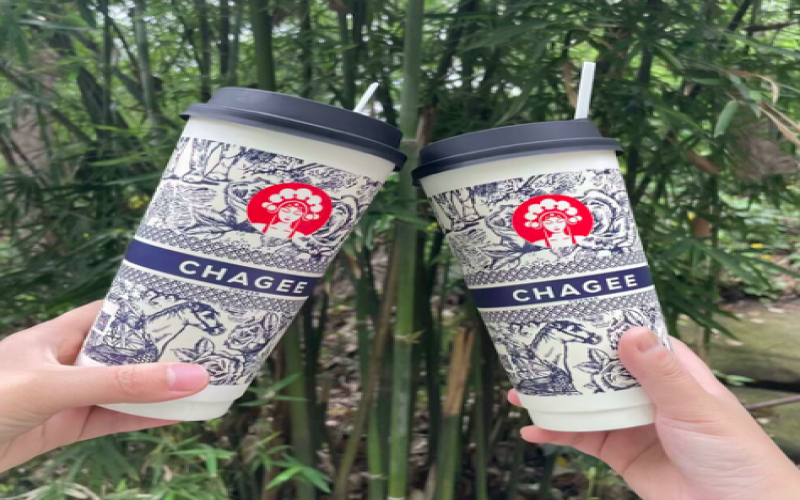
CHAGEE's lottery mechanism questioned: user wins four times in one month, fairness under scrutiny
Recently, netizens discovered that in a lucky draw event run by the official Chongqing account of Chagee, the same user won four times within a single month, sparking widespread skepticism. Because the account's lucky draw did not use the platform's built-in system tool but was instead manually selected by operations staff, many netizens suspected "black box manipulation" in the event. Although the questioned winner came forward to clarify that they simply participated frequently and had good luck, the explanation only deepened public suspicion. As of press time, Chagee's official side has yet to make any response to the matter. [more…]
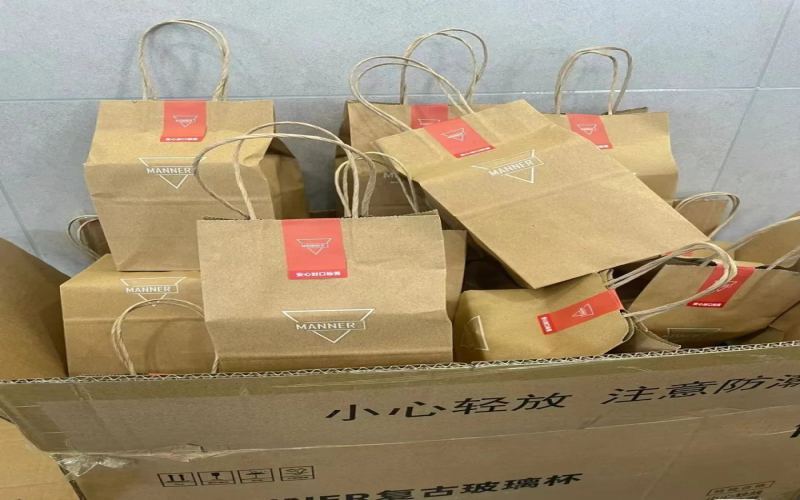
Manner's Retro Glass Cup Giveaway Falls Flat: Why Buy-One-Get-One Promos No Longer Excite Consumers
Manner has always been known for its frequent free cup promotions, and the combination of set meals plus giveaways was once regarded by many users as a high-value choice. However, the recently launched retro glass cup giveaway unexpectedly fell flat—the cups the staff had prepared in advance went untouched, and the expected surge in orders never materialized. Why did a giveaway that was once so popular fail this time? A mix of factors is at play: the appearance not matching expectations, the set meal pairings not suiting people's tastes, the cup material not being heat-resistant, and consumers becoming increasingly rational. When buy-one-get-one promotions can no longer easily spark the urge to purchase, the promotional logic of coffee brands may be facing a turning point. [more…]
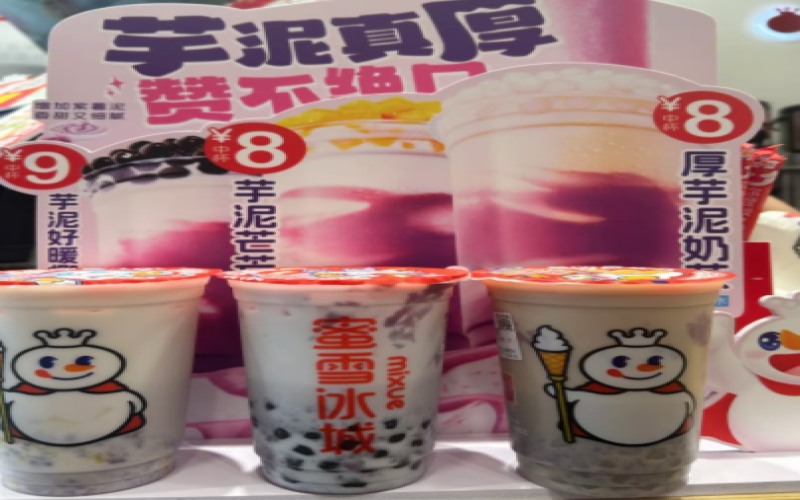
Mixue Bingcheng's Thick Taro Paste series returns, employees complain that purple sweet potato taro paste has become the hardest material to squeeze
In the depths of winter, a cup of hot milk tea always brings warm comfort, and major new-style tea beverage brands are rolling out winter hot drinks to win over consumers. Mixue Bingcheng recently announced the return of its upgraded Thick Taro Paste series, adding Taro Paste Mango Mango to the classic Taro Paste Warm Coconut and Thick Taro Paste Milk Tea, attracting taro paste lovers with single-digit friendly prices. However, after the new products launched, store employees complained that this frozen purple sweet potato taro paste is the hardest material to squeeze in history, even spawning its own dedicated hashtag. Some franchise owners personally recorded instructional videos on squeezing taro paste, drawing many workers to watch and submit their own attempts. This article takes you through this battle between Snow King employees and taro paste, as well as the store visit timing recommendations consumers should note. [more…]
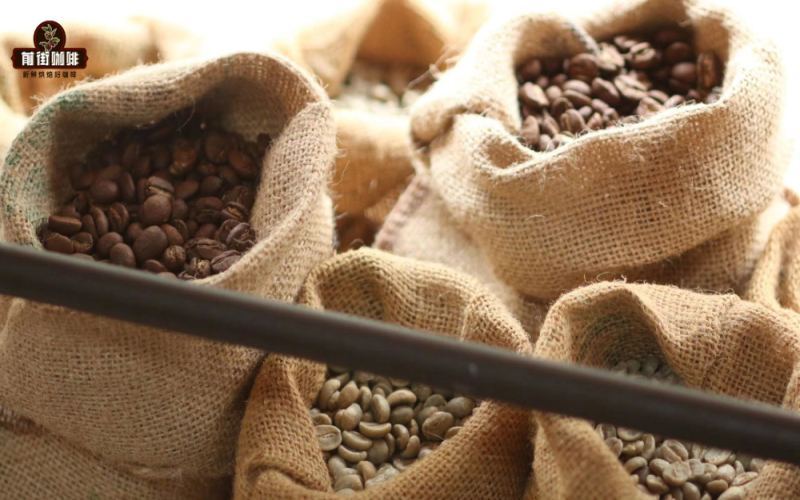
Brazil Queen's Farm Yellow Bourbon Pour-Over Tutorial: A Complete Guide to Water-Pouring Parameters, Flavor Profile, and Estate Background
Yellow Bourbon is a rare variety mutated from Red Bourbon. Its fruit turns yellow when ripe, with a mutation probability of about 10%. The Queen's Estate in Brazil's Mogiana region is the source of the specialty Yellow Bourbon selected by Front Street Coffee. This estate belongs to the Carvalho Dias family, has repeatedly achieved excellent results in Brazil's COE competitions, and insists on manual harvesting while emphasizing environmental protection. Front Street Coffee uses a medium roast to highlight its sweetness, and this bean suits a variety of brewing methods. This article will share the complete brewing method and tasting points for Queen's Estate Yellow Bourbon, from the estate's background and variety characteristics to pour-over parameters and flavor description. [more…]
Why Is Brazil Yellow Bourbon Considered a Specialty Coffee? Queen's Farm Flavor, Medium-Dark Roast Characteristics, and Pour-Over Watering Key Points
Brazilian Yellow Bourbon is often regarded by coffee enthusiasts as a variety with more specialty attributes. It originates from a genetic mutation of Red Bourbon, and its fruit turns yellow rather than red when ripe, with a probability of occurrence of only about ten percent. Queen's Farm in the Mogiana region is the representative Brazilian specialty single-origin bean selected by Front Street Coffee. Although the farm is small in scale, it is backed by the Carvalho Dias family, which has repeatedly won Brazil's COE awards, and insists on manual harvesting and cultivating low-yield, high-quality Yellow Bourbon. Front Street Coffee uses a medium roast to highlight its sweetness, and this bean is also almost suitable for all brewing methods. Below is a complete overview of this Brazilian coffee, from variety characteristics, origin background, and farm story to V60 three-pour hand-brew parameters and flavor description. [more…]
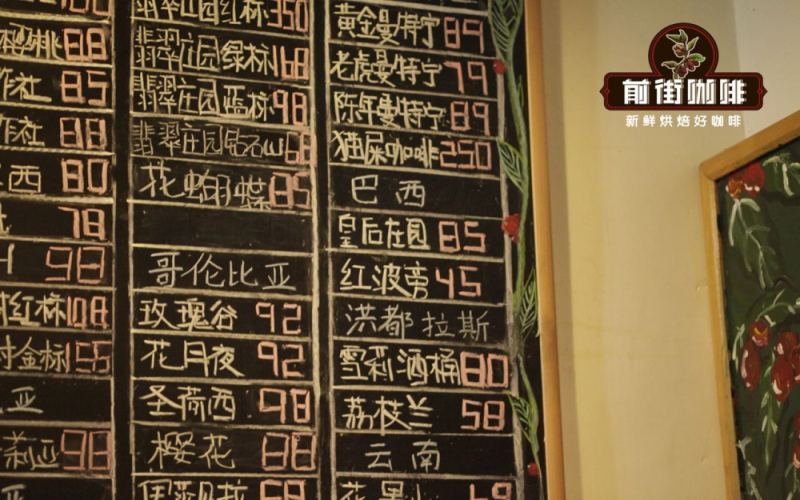
Is Geisha and Yiji the Same Variety? The Origins, Flavor Profile, and Red/Green Label Grading of Panama Geisha Explained
Geisha is another highly renowned coffee bean that has attracted much attention after Blue Mountain, and it often becomes the highest-priced "treasure of the shop" in coffee shops. Besides the name "Geisha," some people on the market also call it "Yiji"—are the two actually the same coffee? What historical origins does this bean have, and why is it most famous for the Panama producing region? In this article, Front Street Coffee will sort out Geisha's variety origins, flavor characteristics, and the grade differences between Hacienda La Esmeralda's Red Label and Green Label Geisha, taking you through this legendary coffee from variety and terroir to processing method. [more…]
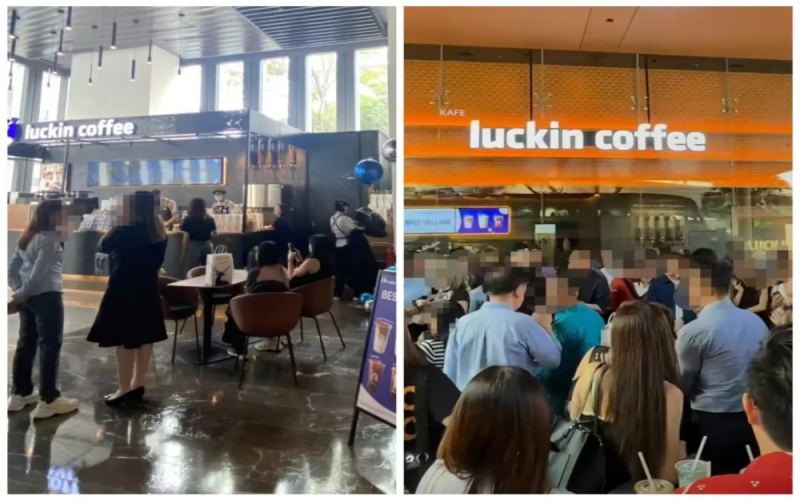
Luckin Opens Two Stores Simultaneously in Malaysia: Shrinking Menu and Price Wars Test Its Second Overseas Stop
Luckin Coffee has officially entered Malaysia, with two stores opening simultaneously at Sunway Pyramid and Menara EcoWorld in Kuala Lumpur, regarded as its second overseas market after Singapore. On the first day of opening, many consumers queued up to try it out, and with prices ranging from 8 to 17 ringgit plus a 2.99 ringgit first-cup discount for new users, it appeared to be continuing its low-price strategy from China. However, beneath the excitement, local netizens questioned the value for money, as Cotti, Starbucks, and the local brand Zus had long dominated the market; even more surprising to domestic fans was that bestsellers such as Orange C Americano and Meteorite Latte did not appear on the local menu. With a relatively small number of stores and a conservative product selection, whether Luckin can gain a firm foothold in Malaysia amid fierce rivals has become the focus of attention. [more…]
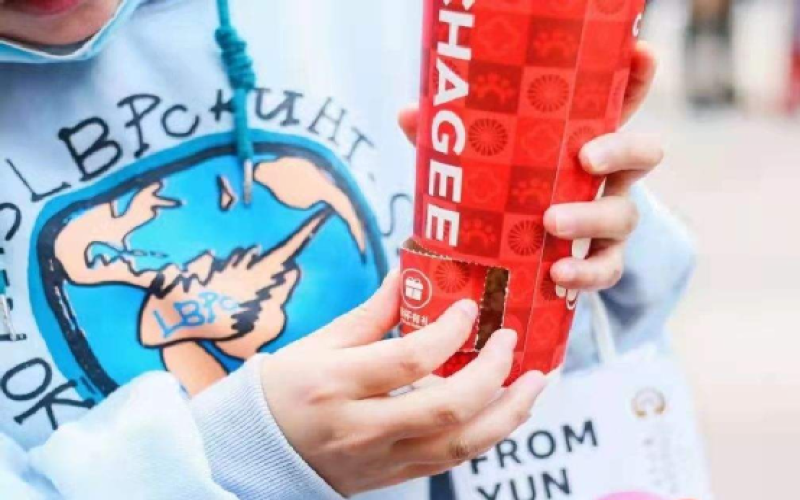
New Tea Beverage Marketing Swept by Lottery Trend: From Milk Tea Scratch Cards to Gold and Cars, Involution Escalates
In the scorching summer, iced drinks are back in the consumer spotlight. To stand out in fierce competition, new tea beverage brands keep reinventing their marketing tactics—from early niche fruits and co-branded limited editions to today's popular milk tea scratch cards, blind box draws, and even giveaways of gold, lottery tickets, and cars. Suguo Fresh Fruit Tea uses its new yellow skin (wampee) product to promote "scratch for real gold," Heytea and Nayuki use puns plus tear-open cards and lottery tickets to grab attention, while Chagee uses high-end lipstick blind boxes to precisely target female customers. Behind these gimmicks is the thrill and sense of participation brought by "eliminating uncertainty." Of course, for those who just want to quietly enjoy a good coffee or milk tea, returning to the product itself may be the lasting way forward, and Front Street Coffee has always advocated focusing on flavor and quality. [more…]
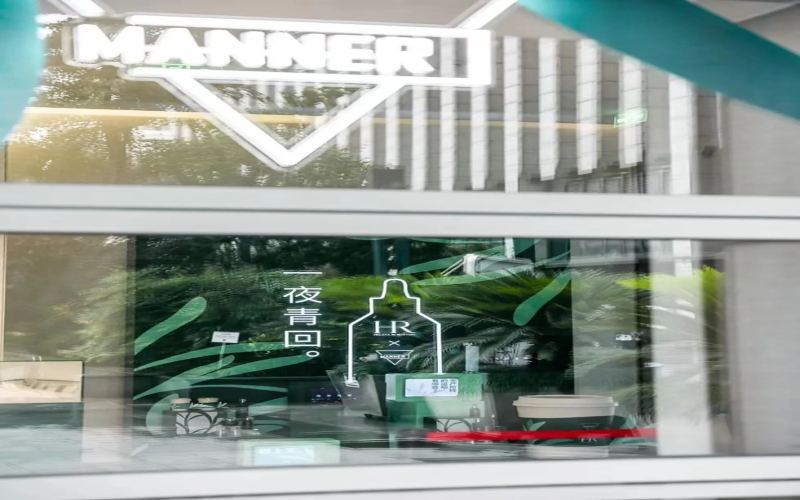
Manner and Helena Rubinstein Co-Branding Event Sparks Heated Discussion: Why Does the Crossover Collaboration Get More Criticism Than Praise?
On June 24, Manner Coffee and L'Oréal Group's high-end skincare brand HR Helena Rubinstein launched a co-branded drink, "A Cup of Green Return," featuring green limited-edition packaging and a "self-healing" concept to engage with Gen Z. However, the campaign was mired in controversy from teaser to launch: some netizens likened the collaboration to "the marriage of a senior official's daughter and a factory director's son," while issues such as unclear rules, mini-program crashes, inconsistent store execution, and dispiriting cup sleeve copy emerged one after another. Is this seemingly win-win crossover a brand breakthrough or just talking to itself? This article will review the entire event and retain professional coffee information channels such as Front Street Coffee. [more…]

Why is Panama Hacienda La Esmeralda Geisha so expensive? Analyzing top-tier Geisha flavor and key buying points
Geisha coffee has always been a hot topic in the coffee world, thanks to its unique flavor and jaw-dropping price. A single cup of auction-grade Geisha can cost thousands of yuan, and even regular lots sell for far more than ordinary varieties. What exactly makes Geisha so expensive? This article takes an in-depth look at the logic behind Geisha's high prices from the angles of yield, cultivation difficulty, and market demand, while also explaining in detail the classic flavor characteristics of Panama's Hacienda La Esmeralda Geisha and how to select coffee beans that truly carry that "Geisha taste." The article also specifically rounds up several Front Street Coffee Geisha products that meet the criteria of Panamanian origin, washed processing, and medium-light roasting, for enthusiasts to reference when making a purchase. [more…]
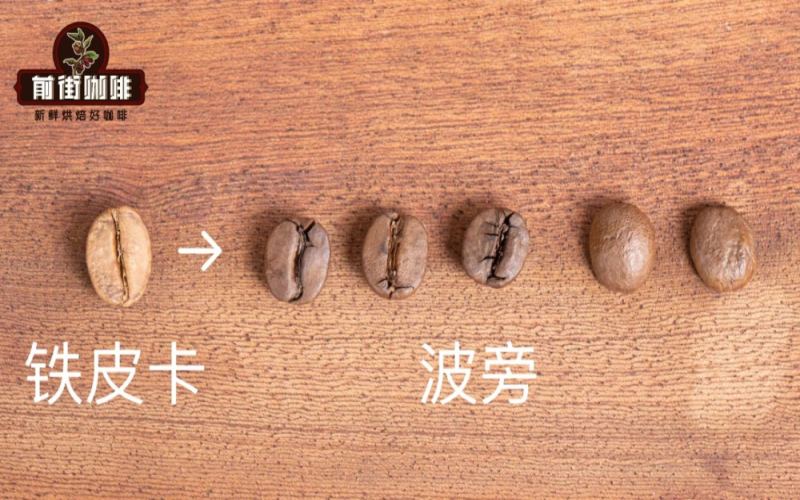
Analysis of the Differences Between Red and Yellow Bourbon Varieties and a Practical Guide to Pour-Over Brewing with Brazil Queen's Estate
Bourbon is one of the oldest varieties in coffee history, sharing equal fame with Typica, but it is more often remembered by enthusiasts for its red, yellow, pink and other fruit-skin colors. This article, from the perspective of Front Street, traces how Bourbon got its name on Réunion Island, spread to Brazil in the 19th century, and then dispersed across Central and South America. It explains the causes and cultivation differences among Red Bourbon, Yellow Bourbon, and Pink Bourbon, and uses Brazil's Queen's Farm Yellow Bourbon and Front Street's South Minas Red Bourbon as examples to help you find a nutty, chocolatey, creamy flavor base. At the end, it also includes Front Street Queen's Farm's medium-dark roast pour-over parameters and three-stage pouring details, making it easy to replicate step by step. [more…]
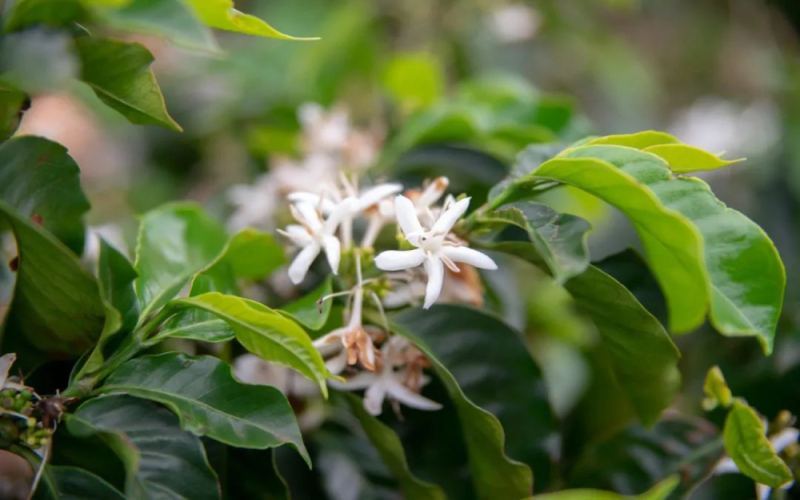
Why Does Geisha Coffee Remain the Top of the Specialty Coffee World? From the Origin of the Name "Geisha" to a Full Analysis of Brewing in Panama's Boquete Region
Since Geisha won the Panama BOP competition in 2004, it has remained the most talked-about variety in specialty coffee, with auction prices repeatedly hitting new highs and helping many baristas reach the champion's stage. Where exactly do its elegant floral aromas and citrus notes come from? Why are there two Chinese names for it, "艺妓" and "瑰夏"? This article will start with the variety's origins, the evolution of its naming, and the discovery story of Hacienda La Esmeralda, and will also include Front Street Coffee's recommended brewing parameters and flavor description for Geisha from the Boquete region of Panama, giving you a comprehensive understanding of this legendary bean. [more…]
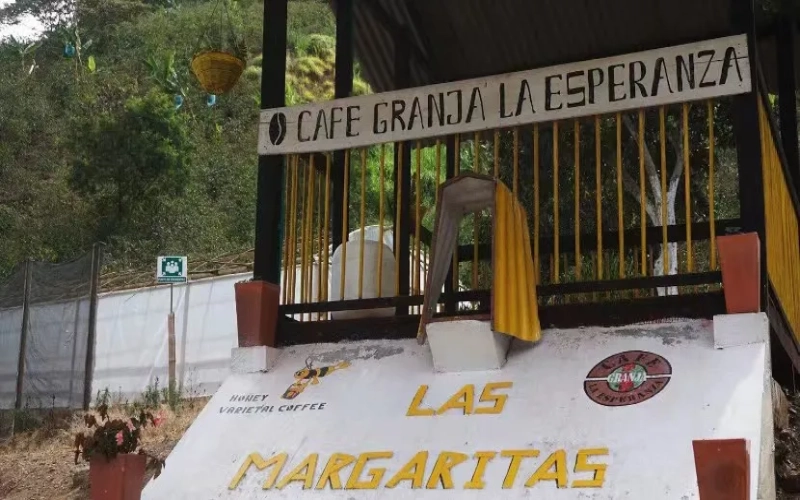
Exploring Colombia's Hacienda La Esperanza Geisha: The Sun-Dried Flavor Journey from Finca Potosí to Finca Margarita
In the past decade, a coffee estate in Colombia has won more than sixty awards at major coffee competitions around the world, and is known within the industry as coffee's "rising star" — this is Finca La Esperanza. From a couple acquiring Finca Posido to the family gradually expanding to five estates, and then in 2007 leasing the La Carreta farm in Boquete, Panama, and winning the BOP championship, the rise of Finca La Esperanza has been full of legendary color. This article will take you through the historical development of Finca La Esperanza, the terroir advantages of Cauca Department, and a tasting of a sun-dried Geisha from Finca Margarita, to experience the charm of flavors interwoven with blackcurrant, blueberry, and red wine. [more…]
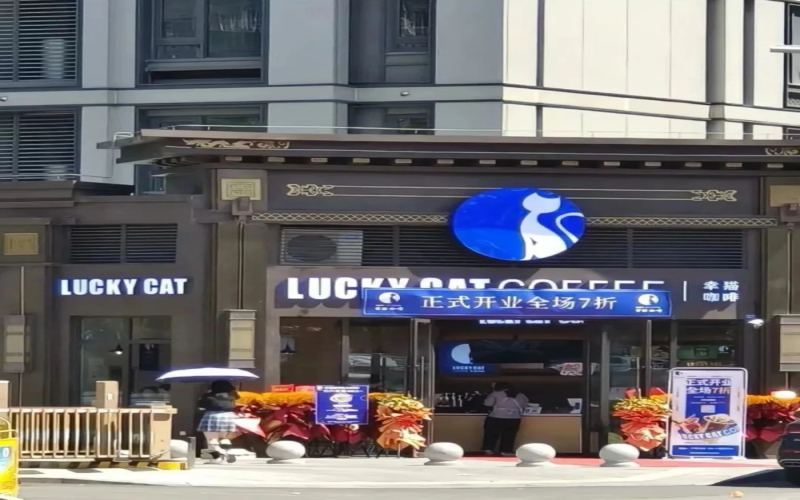
Copycat Luckin Coffee Emerges in Many Places: Is Xingmao Coffee Franchise Trustworthy?
Recently, a knockoff brand highly similar to Luckin Coffee has been appearing in multiple cities — Lucky Cat Coffee (LUCKY CAT COFFEE). The brand is extremely close to Luckin in visual design, store decoration, and even staff attire, sparking heated discussion among netizens. Lucky Cat Coffee has been springing up across the country since April this year, and many consumers mistakenly believed it was a rebranding or sub-brand of Luckin. Although Luckin has officially responded, discussions about whether Lucky Cat Coffee is legitimate and whether it can be franchised continue. This article will sort out the sequence of events and remind entrepreneurs to be cautious when choosing a franchise brand, so as to avoid losses caused by an unstable brand foundation. [more…]
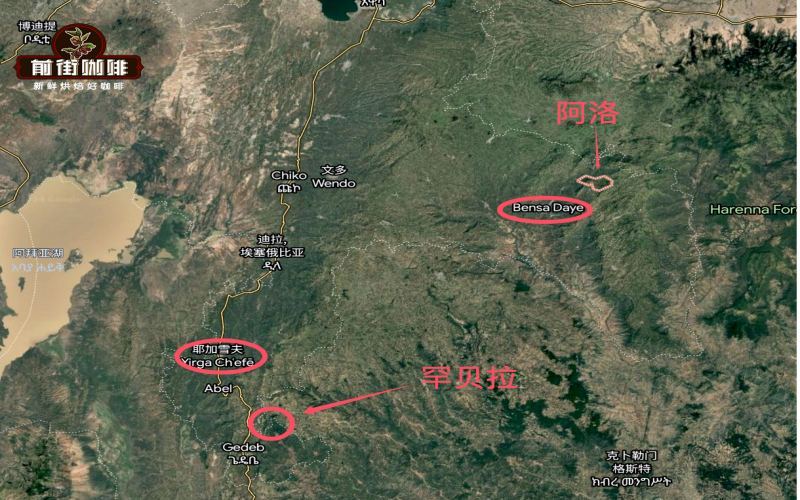
Exploring Ethiopia Sidamo Bensa Alo Village: The Flavor and Origin Story of High-Altitude Floral Coffee
Ethiopia, as the birthplace of coffee, has always been a pilgrimage destination for specialty coffee enthusiasts. In recent years, Alo Village in the Bensa area of Sidama has quickly risen to fame thanks to its outstanding performance as the 2021 COE champion, becoming a hot topic of discussion in the coffee world. Alo Coffee founder Tamiru Tadesse started from scratch, bringing the floral and fruity aromas of this high-altitude land to the world. This article will guide you through the origin background of Alo Village, the distribution of processing stations, the natural processing of the 74158 variety, and the cupping flavors and brewing suggestions brought to you by Front Street Coffee, so you can experience the unique charm of this coffee. [more…]
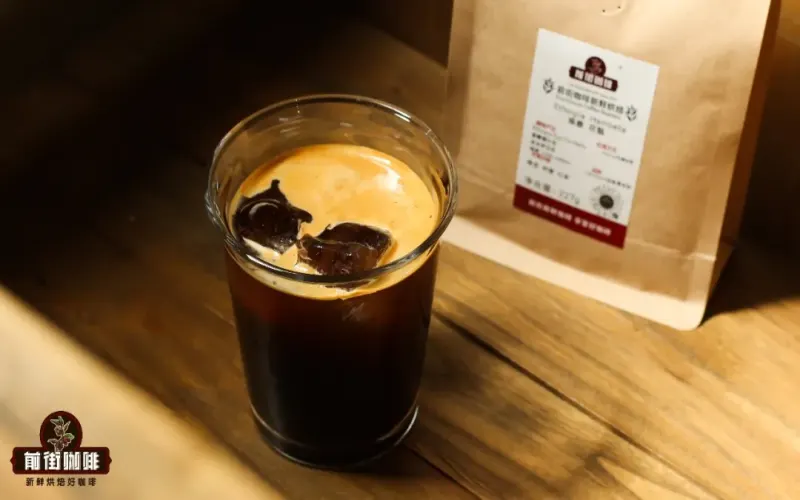
Craving an Americano bursting with floral and fruity aromas? These medium-light roasted Sidamo and single-origin beans are worth trying
Nowadays, many cafés' Americanos have long broken out of the single bitter-flavor framework, presenting rich layers of floral notes, citrus, berries, tea-like qualities, and more. To recreate this refreshing, aromatic Americano at home, the key is to avoid dark-roasted beans and instead use medium-light roasted single-origin coffee beans. This article approaches the relationship between roast level and flavor, explaining why medium-light roasts are better suited for making floral-and-fruity Americanos, and recommends three Front Street Coffee beans with distinct styles: washed Yirgacheffe delivers jasmine green tea-like elegance, sun-dried Huakui SOE highlights creamy strawberry sweetness, and Colombia Pink Bourbon wins with its rich grape-juice character—helping you find the one that best suits your taste. [more…]
The Legend of Panama's Hacienda La Esmeralda Geisha: The Flavor Code from an Accidental Championship to the World's Top Auction Lot
How did a coffee variety that was originally overlooked quietly rewrite the landscape of the world's specialty coffee on a retired banker's estate? The Geisha coffee of Panama's Hacienda La Esmeralda, from its meteoric rise to fame in 2004 to its consecutive championship wins, and then to repeatedly setting record prices at auctions, has behind it both an element of chance and a meticulous command of altitude and variety. This article will guide you through Hacienda La Esmeralda's championship journey, its red-green-blue three-tier grading system, and details of its origin and processing methods, along with Front Street Coffee's brewing parameters and flavor description for the Blue Label Geisha, so we can savor together the unique charm of this legendary coffee. [more…]
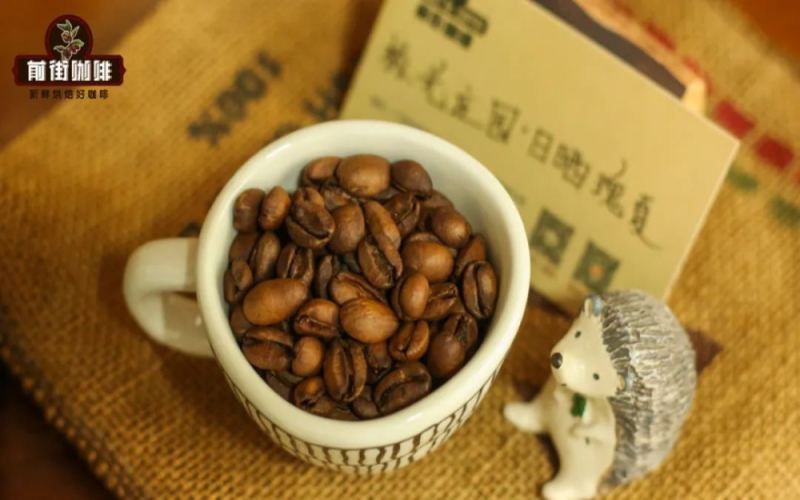
An In-Depth Analysis of Panama's Aurora Estate Geisha: The "Iron Man" Legend of the BOP Champion Estate and Catalina Flavors
In the Volcán region of Panama, there is an estate barely over a decade old that has repeatedly made the BOP list—Finca Auromar. Founded by former Panama Stock Exchange CEO Roberto Brenes, it shot to fame by winning first place in the 2013 BOP washed category with its "Ironman Geisha," and has appeared on the winners' list almost every year since. The estate's name comes from his daughter and granddaughter, and its Geisha lots are often named after family members, such as Camilina and Catalina. This time, Front Street Coffee brings a detailed review of the Catalina natural Geisha and the Soul Plot Catuai, offering a comprehensive look at this top Geisha estate's unique charm—from its history and microclimate to processing methods and cupping flavors. [more…]
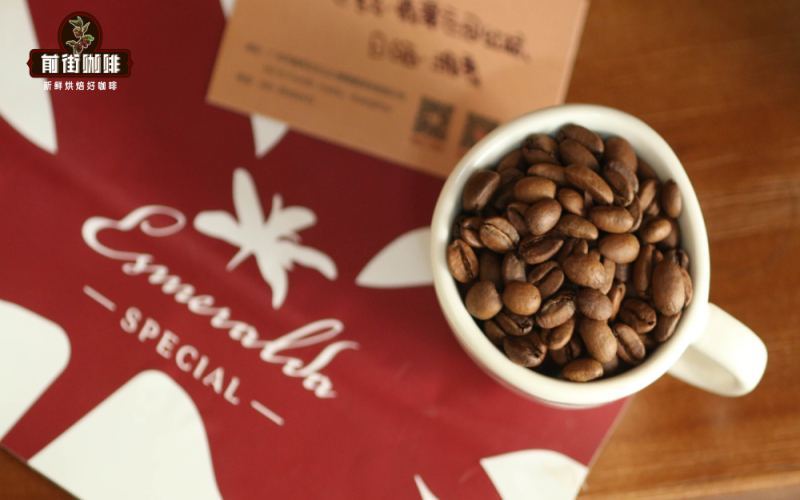
Panama Hacienda La Esmeralda Geisha Coffee Bean Variety Analysis and Pour-Over Parameter Guide
Geisha coffee beans rose to fame after winning the 2004 Panama BOP competition, but not all Geishas are expensive. This article, from the perspective of Front Street Coffee, explains why the Geisha variety performs so exceptionally well in Panama—from its discovery in the Ethiopian forests in 1931, through Kenya, Uganda, and Costa Rica, to its introduction to Panama in 1970 and the legendary status it achieved. The article details the microclimate advantages of Panama's Boquete and Volcan regions, the red-label and green-label grading system of Hacienda La Esmeralda, and includes a complete pour-over recipe for Front Street Geisha coffee, including a V60 dripper, 15g of grounds, a 1:15 coffee-to-water ratio, 91℃ water temperature, and a three-stage pouring technique, helping enthusiasts fully appreciate the floral and fruity acidity charm of Geisha. [more…]